|

|
|
|
Dear CAPCSD Member:
As we move into May, I’m still feeling encouraged by the energy of our recent conference. It was a strong few days of learning, thoughtful conversation, and meaningful connection. It was great to see so many of you together sharing ideas, asking important questions, and supporting one another. Thank you to everyone who helped make the conference such a success! It feels especially fitting to carry that momentum into Better Hearing and Speech Month. May is a reminder of why this work matters; from the students we prepare to the communities we serve. As leaders in communication sciences and disorders, we are well positioned to continue advancing, advocating, and highlighting the impact of our field. I hope this month’s newsletter reflects that spirit and offers ideas and updates that are useful as you move through the end of the semester.
Warmly, |
|

|
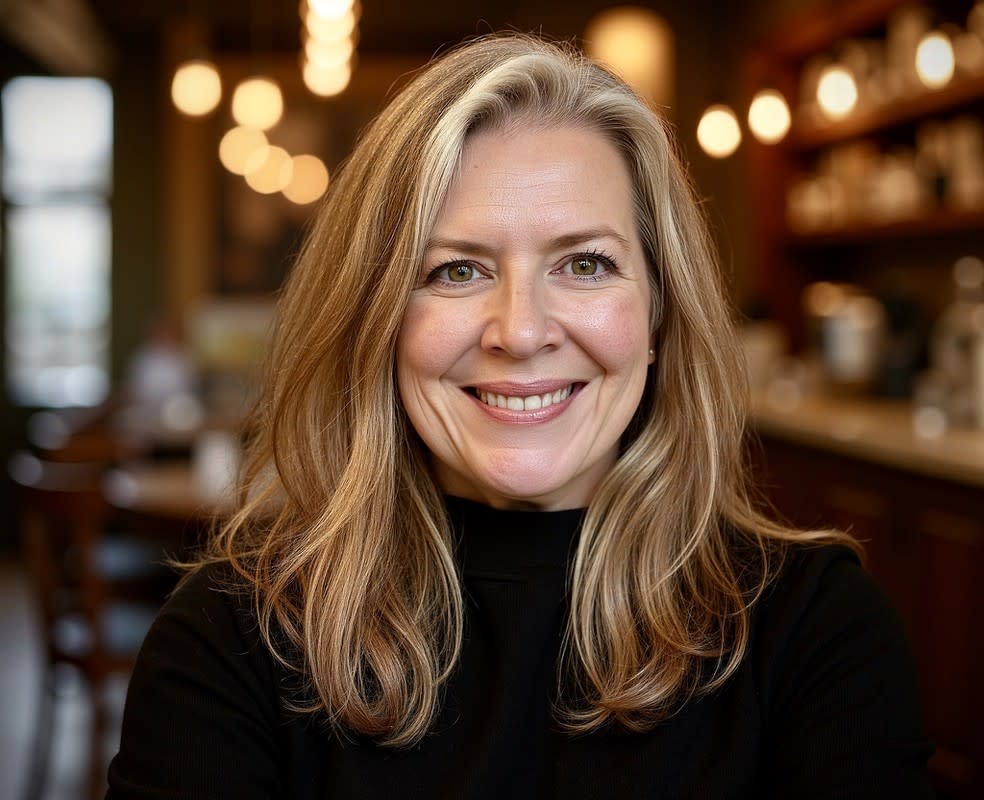
Tricia Montgomery President |
|
|
|
|
2026-2027 Board of Directors |
|
Congratulations to Ashley Harkrider, Heather Isaacson, and Jana Waller!
|
|

|
As a result of Ashley Harkrider’s election as President Elect, she will vacate the final year of her term as Treasurer. In accordance with the Policies & Procedures, the Board of Directors has appointed Heather Isaacson to complete the term and serve as Treasurer for the 2026–2027 year.
Board of Directors July 1, 2026 - June 30, 2027
President: Christie Needham, MA, CCC-SLP (Baldwin Wallace University) President-Elect: Ashley Harkrider, PhD, CCC-A (University of Tennessee) Past President: Tricia Montgomery, PhD, CCC-SLP (Florida State University) Secretary: Kelly Rutherford, EdD, CCC-SLP (Marshall University) Treasurer: Heather Isaacson, PhD, CCC-SLP (Northern Michigan University) VP Admissions: Doug Parham, PhD, CCC-SLP (Wichita State University) VP Clinical Education: Andy Clare, DHSc, CCC-SLP, CBIS (George Washington University) VP Online Professional Development: Jana Waller, MS, CCC-SLP (Ithaca College) VP Organizational Advancement: Leslie Grubler, EdD, CCC-SLP (CUNY - Lehman College) VP Professional Development: Heidi Verticchio, EdD, CCC-SLP (Illinois State University) VP Research & Academic Affairs: John McCarthy, PhD, CCC-SLP (Ohio University)
|
|
|
|
Admissions Summit Recap/Highlights |
|
The energy is still buzzing from the 2026 Admissions Summit, which was recently held during the CAPCSD Annual Conference Week. This information-packed day featured speakers Dr. Kerry Mandulak of Pacific University and Dr. Danai Fannin of North Carolina Central University. Throughout the day, attendees engaged in dynamic discussions on key admissions topics that included mission-aligned selection, application review, and moving beyond matriculation. These topics and more were further explored through group work that brought everyone together and challenged them to reexamine their admissions processes.
|
|

|

|
|
|
Lisa Scott Leadership Academy: Equipping Academic Leaders to Thrive |
|
The 2026 Lisa Scott Leadership Academy proved once again to be an exceptional professional development experience for current and emerging leaders in CSD. Participants consistently praised the Academy’s clear focus on academic leadership, noting how refreshing and relevant it was compared to more corporate-style leadership programs.
Attendees, many of whom were new to leadership roles, described the two-day workshop as timely, energizing, and deeply supportive. Practical tools, thoughtful exercises, and immediately applicable strategies helped participants feel more confident and better prepared to navigate leadership challenges. Regardless of role or experience level, participants reported that every session felt meaningful and relevant.
Equally impactful was the strong sense of community fostered throughout the Academy. Participants valued the opportunity to openly share challenges, learn from one another, and build trusted networks that will continue well beyond the workshop. For many, the Academy helped reduce the isolation often associated with leadership and replaced it with connection and encouragement.
The Academy’s success was further enhanced by engaging facilitation, intentional programming, and opportunities to interact with CAPCSD leadership. Many participants described the experience as one of the best professional development opportunities of their careers and enthusiastically recommended expanding access in the future.
CAPCSD congratulates the 2026 cohort and extends sincere thanks to everyone who makes the Lisa Scott Leadership Academy such a meaningful and transformative experience for academic leaders.
Heidi Verticchio, EdD, CCC-SLP VP Professional Dvelopment |
|

|

|

|

|
The Board of Directors and Lisa Scott Leadership Academy participants enjoyed lunch with a view from Peaks Lounge at the Hyatt Regency Denver at Colorado Convention Center. |
|
The Council of Academic Programs in Communication Sciences and Disorders hosted its 2026 Annual Conference this April, bringing together academic and clinical leaders for several days of collaboration, learning, and connection. This year’s event marked a significant milestone for CAPCSD, with record‑breaking attendance and significant engagement across both in‑person and virtual formats.
A Growing and Engaged Community More than 650 registrants representing hundreds of academic programs participated in the conference, reflecting the continued growth and vitality of the CSD education community. From the opening events through the final sessions, attendees noted the strong sense of collegiality and shared purpose that defined the experience.
Networking opportunities were thoughtfully integrated throughout the program, with structured and informal gatherings that encouraged connection across institutions and career stages. A highlight for many was the Ice Cream Social, which offered a relaxed, welcoming environment to unwind, reconnect with colleagues, and continue conversations sparked during the day’s sessions.
Programming That Made an Impact The conference opened with intensive pre‑conference sessions addressing curriculum design, workforce development, and innovative assessment practices. These sessions set the tone for a program focused on practical strategies participants could bring back to their home institutions.
Plenary and breakout sessions throughout the conference explored timely and complex topics in academic leadership and clinical education. Attendees consistently praised the sessions for being well‑organized, relevant, and immediately applicable.
Focus on Emerging Priorities Sessions addressing AI ethics and financial literacy emerged as standout areas of interest. Programming on AI ethics encouraged thoughtful discussion about responsible and equitable use of emerging technologies in teaching and clinical preparation. Financial literacy sessions provided concrete strategies for supporting students as they navigate the financial demands of graduate education and professional training.
The Virtual Conference Experience The concurrent 2026 Virtual Conference extended access to high‑quality CAPCSD programming. Virtual attendees highlighted the affordability, flexibility, and convenience of the format, noting its value for those balancing full workloads, facing travel limitations, or seeking more accessible participation options. Overall satisfaction remained high, with many indicating they would attend virtually again.
What Attendees Valued Most Across feedback from both in‑person and virtual participants, several themes stood out:
With Appreciation CAPCSD extends sincere thanks to all who contributed to the success of the 2026 Annual Conference, including presenters, volunteers, sponsors, and exhibitors. Their support helped ensure a high‑value, subsidized event that continues to meet the evolving needs of academic programs in Communication Sciences and Disorders.
Thank you to everyone who participated and helped make the 2026 conference our most elevated event yet. We look forward to seeing how you carry this momentum forward and to connecting again next year. We will see you in Atlanta, Georgia!
Heidi Verticchio, EdD, CCC-SLP VP Professional Dvelopment |
|

|

|

|

|

|

|

|

|
Check out all the photos on CAPCSD's Facebook Page: https://facebook.com/capcsd |
|
|
|
DEIB |
|
Activities to support DEIB during National Speech, Language, and Hearing Month |
|
Creating a sense of belonging is one of the most powerful – and most challenging – goals within diversity, equity, inclusion, and belonging (DEIB) efforts. While we often focus on increasing representation, ensuring equitable access, and promoting inclusive practices, belonging is what transforms those efforts into meaningful human experiences.
According to Merriam-Webster, belonging is “a state of being accepted, welcome, and an integral part of a group, place, or organization.” It sounds simple, yet it is deeply complex. Belonging cannot be mandated or achieved through a single initiative. It must be cultivated intentionally, consistently, and compassionately.
|
|
|
During National Speech, Language, and Hearing Month, our profession has a unique opportunity to reflect on how belonging shapes the environments we create for students, colleagues, and clients. Brené Brown’s message – “Be here. Be you. Belong. – offers a powerful framework. The question is not whether we value belonging, but how we actively bring it to life in our daily practices.
Recent highlights shared at the National Black Association for Speech-Language-Hearing (NBASLH) Conference highlighted that fostering belonging requires more than awareness; it demands action. Just as cultural humility is an ongoing journey rather than a destination, building a culture of belonging is a continuous process. It evolves as we learn, listen, and respond to the individuals and communities we serve.
In many ways, this mirrors the work we already do as speech-language and hearing professionals. We do not apply one-size-fits-all approaches in assessment and intervention; instead, we tailor our methods to each individual’s needs, strengths, and experiences. DEIB work requires the same level of intentionality. It asks us to see the whole person – not just their communication profile, or clinical skill set – but their identity, culture, and lived experiences.
Fostering belonging begins with trust. Trust is built through authentic relationships, active listening, and a willingness to acknowledge and address bias. It grows when individuals feel seen, heard, and valued – not only for what they contribute, but for who they are.
There are several practical ways to support DEIB and cultivate belonging, not just during National Speech-Language-Hearing month, but throughout the year.
Equally important is adopting a growth mindset. Mistakes will happen, and discomfort is often part of the process. What matters is our willingness to learn, adapt, and continue the work with humility and compassion. We must view challenges and setbacks as opportunities to grow and refine our knowledge and skills.
Ultimately, belonging is not a static achievement but a dynamic, evolving practice. It is built in everyday moments – in how we greet one another, how we listen, how we respond, and how we create spaces where people feel safe to be fully themselves.
As we recognize National Speech, Language, and Hearing Month, let us recommit to continuously listening, learning, sharing and fostering environments where everyone can truly say: I am here. I can be myself. I belong. |
|
Lisa Barber, M.S., CCC-SLP Southern Connecticut State University Clinical Practice Manager/Instructor CAPCSD DEIB Committee Member Pronouns: she, her, hers |
|
|
|
Admissions Corner |
|
|
|
Supporting the Class of 2027 Students from April 15 through Enrollment (Week 1) For graduate programs in speech-language pathology, April 15, the national deadline for acceptance of offers, marks a shift in focus from student recruitment to retention. While a program’s waitlist may remain active until the first day of their classes in the graduate program, the composition of the Class of 2027 is now largely known. Efforts may now turn to minimizing “melt,” which is when accepted students withdraw their plan to enroll in the program. A successful retention plan will both minimize melt and offer a first step to supporting enrollment through program completion. Several strategies can be used to support enrollment and retention. One approach is to foster accepted students’ sense of belonging and engagement, whether they are new to the university or transitioning from an undergraduate to a graduate program at the same institution. To support belonging, faculty may craft personalized welcome emails, a strategy purported to improve motivation and attitudes in coursework (Legg & Wilson, 2009). Follow-up outreach, such as phone calls and email correspondence, may support continued, regular connections with students. Students may be assigned a faculty advisor after acceptance who will serve as their consistent primary point of contact, and help to establish relationships with the program, transforming an acceptance into a connection (Roos & Schreck, 2021). Early and frequent touchpoints may be important for enrollment, and later retention in the graduate program. Faculty advisors play an important role in helping students complete their programs and succeed in the profession (García, Fong, Harper, & Littlefield, 2025). Their mentoring can support student success by fostering a sense of belonging and connection to the program and the university (Wong et al., 2024). Another strategy to minimize melt is to offer varied opportunities for engagement, which in combination with positive, consistent communication (e.g., via phone, email, social media or on learning management systems), strengthens student engagement and motivation and, in turn, increases the student’s retention (Phan, 2026). For example, engagement may be supported through in-person or virtual group program information meetings (e.g. meet and greets, orientation) during which program-specific logistics and expectations are shared (e.g., class schedules). Engagement can be fostered through the department’s social media platforms so incoming students can learn about the department's culture and environment, as well as the activities students are involved in (e.g., “A day in the life of…”). Programs can support students by providing clear timelines for pre-matriculation requirements, offering meetings with infographics and videos, and sending emails to help ensure timely task completion. Providing information about financial resources, such as student employment opportunities, grants, and loans, may be welcome, given that a primary challenge in recruitment is students' need for financial support. Beyond providing information through email exchanges and meetings, engagement events offer students opportunities to connect with one another, fostering a stronger sense of belonging. Peer interactions with current graduate students and alumni through panels and individualized outreach may provide incoming students with an additional layer of support and connection within the department. A program may choose to support these student interactions through well-designed peer mentorship programs. Peer mentorship reduces stress among graduate students in speech-language pathology, for example, by pairing incoming students with second-year graduate student mentors who can provide guidance and support before classes begin (Greene, 2021). Mentorship provides valuable opportunities for students to network and collaborate which leads to increased student retention; however, there is limited information about how mentorship programs are implemented in healthcare programs (Germeroth, Murray, McMullen-Roach & Boshoff, 2024). By supporting students intentionally during the transition from acceptance to matriculation, speech-language pathology programs can not only secure their incoming class but also take the first critical step in preparing future speech-language pathologists for success in the field. References García, A. J., Fong, C. J., Harper, K. L., & Littlefield, T. D. (2025). Is Academic Advising a Game‐Changer for Student Belonging? A Mixed Methods Study on Community College Athletes of Color. New Directions for Higher Education, 2025(209), 57-66. https://doi.org/10.1002/he.20525. Germeroth, D., Murray, C. M., McMullen-Roach, S., & Boshoff, K. (2024). A scoping review of mentorship in allied health: Attributes, programs and outcomes. Australian Occupational Therapy Journal, 71(1), 149–174. https://doi.org/10.1111/1440-1630.12903. Greene, S. M. (2021). Effects of a Peer-Mentoring Program on Speech-Language Pathology Graduate Student Stress. Perspectives of the ASHA Special Interest Groups, 6(4), 855-866. https://doi.org/23814764000300140072. Legg, A. M., & Wilson, J. H. (2009). E-Mail from Professor Enhances Student Motivation and Attitudes. Teaching of Psychology, 36(3), 205-211. https://doi.org/10.1080/00986280902960034. Phan, T. A. (2026). The Role of Positive Communication in Enhancing Educational Outcomes. Business and Professional Communication Quarterly, 89(1), 41-54. https://doi.org/10.1177/23294906251345789. Roos, B. H., & Schreck, J. S. (2021). The role of faculty advising, mentoring, and gatekeeping as social support for undergraduate communication sciences and disorders students. Perspectives of the ASHA Special Interest Groups, 6(4), 818-830. https://doi.org/10.1044/2021_PERSP-21-00007. Wong, J. M. P. (2024). Underrepresented Student Experiences Applying to Speech-Language Pathology Graduate Programs: Challenges and Capital. Teaching and Learning in Communication Sciences & Disorders, 8(3), 11. https://doi.org/10.61403/2689-6443.1331. |
|
|
|
CSDCAS Configuration Portal is Open!
The CSDCAS configuration portal for the 2026–2027 cycle is now open. Primary contacts responsible for their program’s pre‑launch configurations should have received an email with detailed instructions. If you did not receive this communication, please contact Teasha McKinley, Director of Centralized Admissions (teasha@capcsd.org).
The deadline for completing your program configurations is June 19, 2026.
Steps to Completing Configuration:
|
|
|
|
If you need help with the admissions processes for your MA/MS and/or AuD graduate education programs, or you need help with WebAdMIT or CSDCAS, please do not hesitate to reach out to the Admissions Committee and CAPCSD’s Director of Centralized Admissions.
Admissions Committee Contacts https://members.capcsd.org/admissionscommittee
Teasha McKinley, Director of Centralized Admissions |
|
|
|
|

|
|
|
If you can't attend the live webinar, register now and receive a recording of the webinar to view at your convenience. Please note, only registrants who attend the live webinar are eligible for ASHA CEUs. |
|
|
|
Accessible Pathways Towards Success in Classroom and Clinical Education Victoria A. Bartunek, MA
This session explores inclusive and effective disability accommodations for CSD graduate students in speech-language pathology and audiology programs. Participants will review the legal framework for accommodations, educator roles in the interactive process, and practical strategies for supporting students in classroom and clinical training environments.
🗓️ Tuesday, May 12, 2026 0.10 ASHA CEUs |
|
|
|
Engaging in a Pedagogy of Trust: Evidence-Informed Practices to Support Student (and Faculty) Success Jennifer C. Friberg-Fort, CCC-SLP, ASHA Fellow
Trust doesn't happen by accident – it's built through intentional choices in how we design courses, show up for students, and structure learning experiences. This webinar explores five core goals for trust-centered teaching in CSD and shares practical tools to elevate your practice in the classroom, clinic, and beyond.
🗓️ Wednesday, May 20, 2026 0.10 ASHA CEUs |
|
|
|
Exploring the Social Determinants of Health to Enhance Clinical Care Charles Ellis, Jr., MA, PhD, CCC-SLP
Attending this webinar on the social determinants of health offers an opportunity to better understand the real-world factors that shape health outcomes beyond clinical care. Participants will gain insight into how elements like housing, education, income, environment, and access to resources directly influence individual and community well-being.
🗓️ Thursday, June 4, 2026 0.15 ASHA CEUs |
|
|
|
Structured Generative AI for Faculty: Designing Reusable Workflow Supports This webinar is for faculty who want to use generative AI for recurring academic work without having to repeat instructions, manage drift, or sort through inconsistent results. Attendees will leave with a practical design pattern for creating workflow supports that can make day-to-day work easier to manage while centering professional judgment.
🗓️ Tuesday, June 16, 2026 0.10 ASHA CEUs |
|
|
|


|
https://www.capcsd.org May 2026 |