|

|
|
|
Dear CAPCSD Member,
As winter continues, many CAPCSD members are engaged in admissions work, reviewing applications and making thoughtful decisions that will shape the future of our professions. I want to acknowledge the time, care, and collaboration this work requires across our community. This issue highlights work that advances the profession. Our Awards recipients are being honored for work that meaningfully advances the profession through leadership, mentorship, and educational innovation. In addition, the featured DEIB article, Dismantling Microaggressions in Clinical Settings: A Guide for Teaching CSD Student Clinicians, offers timely guidance to support inclusive teaching and supervision in clinical environments. We also look ahead to the CAPCSD Conference as a space for shared learning, reflection, and connection around the issues shaping our collective work. We hope you find this issue informative and useful as you continue your work this season.
Warmly, |
|
|
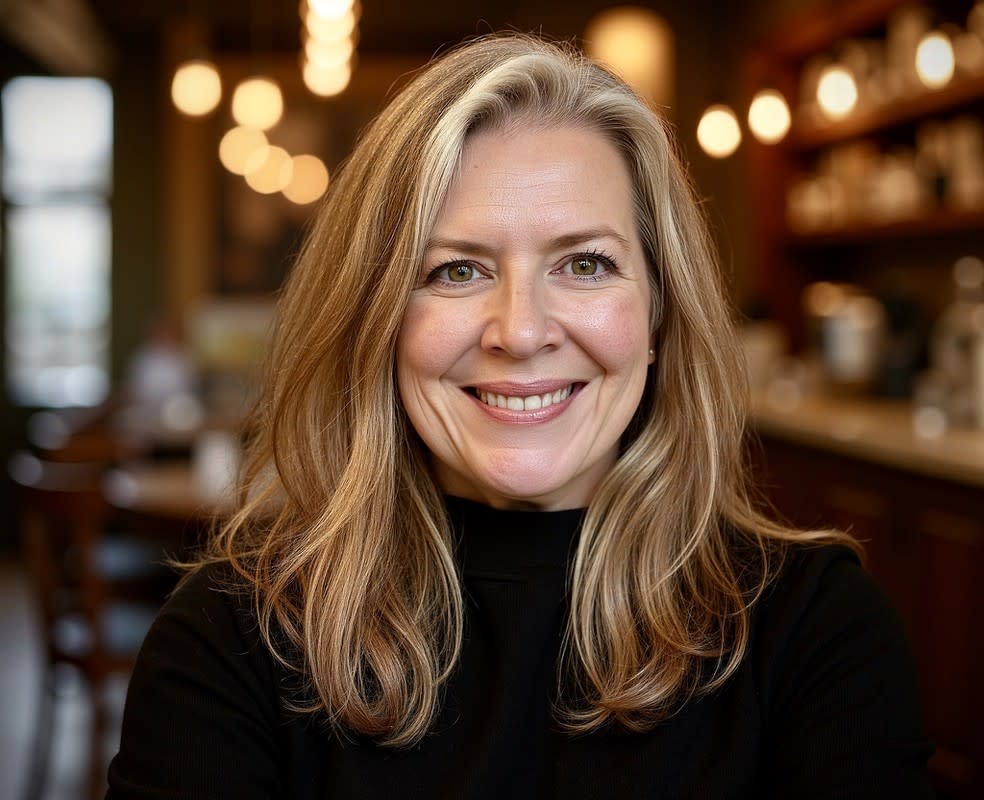
Tricia Montgomery President |
|
|
|
|
Important Dates |
|
Below are the upcoming important dates so that you may plan accordingly. Dates are subject to change. CAPCSD will send separate email for each of the below dates with official information. |
|

|
|
|
|
|
2026 Honors & Awards Recipients |
|
It is with great honor that the CAPCSD Board of Directors announce the recipients of the 2026 Honors of the Council, Distinguished Contribution Award, and Excellence in Diversity Awards. The dedication to our field and commitment to excellence by these members has not gone unnoticed and we are thrilled to have the opportunity to acknowledge their contributions. |
|
Honors & Awards Presentation 7:50 AM ET Hyatt Regency Denver at Colorado Convention Center Meeting Room: Centennial A-D |
|

|
Distinguished Contribution Award Laura A. Karcher, MA, CCC-SLP, CBIS Indiana University
Excellence in Diversity Awards Hsinhuei Sheen Chiou, PhD, CCC-SLP Minnesota State University Mankato Vannesa Mueller, PhD, CCC-SLP University of Texas at El Paso Teachers College, Columbia University Texas Woman's University's Distance Education SLP Program
Honors of the Council Awards Jennifer Simpson, AuD, CCC-A University of Central Michigan Jennifer P. Taylor, AuD, CCC-A University of Memphis |
|
|
|
Call for Committee Volunteers & One-Time Opportunities |
|
Volunteers are a valuable resource for CAPCSD. If you’re interested in contributing to CAPCSD’s success in delivering programs, education, or meeting member needs, consider applying to serve on a committee or through a one-time service opportunity - such as a reviewer of annual conference call for papers submissions.
Soon, CAPCSD will open its call for committee volunteers. CAPCSD members will be able to apply for open positions on CAPCSD committees as well as for one-time service opportunities. Committee terms begin on July 1, 2026, and run through June 30, 2028.
Keep an eye on your email for more information.
|
|
|
|
Annual Conference | Elevating Excellence | April 8-11, 2026 |

|
Annual Conference Early Bird Registration Now through Saturday, February 28 Members & Affiliate Members: $625 Non-Members: $775
Regular Registration Rates begin Sunday, March 1 Members & Affiliate Members: $775 Non-Members: $925
Pre-Conference Sessions (4/8/26) Each 4-hour option requires a registration & fee. Members & Affiliate Members $100 Non-Members: $150
Hotel Room Block Hyatt Regency Denver at Colorado Convention Center $259 room rate + 15.75% taxes = $299.79 per night King & Two-Queen Bed Rooms are available Make your room reservations as soon as block opens as the block fills up each year! |
|
|
|
Announcing CAPCSD's 2026 Virtual Conference |
|

|
From the 2026 Annual Conference in Denver, CO, CAPCSD is presenting the 2026 Virtual Conference on April 9-10, 2026. This virtual conference will feature 10 hours of online sessions by invited speakers and selected presenters on the conference theme, Elevating Excellence.
Thursday, April 9, 2026 10:15 AM MT - Helping Students Master Professional Practice Behaviors: Elevating Student Success through Clinical Education [Kelly Harrington, Lisa McDonald] 11:30 AM MT - Threading the Access Needle: Supporting Disability Inclusion in Communication Sciences and Disorders [Madhu Sundarrajan] 12:45 PM MT - Beyond the Basics: Elevating Excellence in Asynchronous Online Graduate Education [Klaire Brumbaugh, Lauren Wright Jones] 2:15 PM MT - Innovate, Educate, Publish: A Guide to SoTL and Simulation [Amanda Stead] 3:30 PM MT - Problem-Based Learning Across Disciplines: Discomfort as a Catalyst for Interprofessional Growth [Mikaely Schmitz] Friday, April 10, 2026
10:15 AM MT - Preparing CSD Students for Trauma-Informed, Interprofessional Collaboration [Emily Weston] 11:30 AM MT - Creating Equitable Faculty Workloads [Caitlin Al-Mutawa, Charlotte King] 12:45 PM MT - CATALYST: Embedding Critical Thinking Instruction Across Undergraduate and Graduate CSD Coursework [David Rehfeld] 2:15 PM MT - Financial Literacy for Students [Victor Bray, Robert Serianni] 3:30 PM MT - To AI or Not to AI, That is the Question. AI Ethics in CSD [AnnMarie Knight, Becky Jones] $225 CAPCSD Member $225 CAPCSD Affiliate Member $275 CAPCSD Non Member |
|
|
|
DEIB |
|
Dismantling Microaggressions in Clinical Settings: A Guide for Teaching CSD Student Clinicians |
|
Microaggressions are defined as brief, commonplace, daily verbal, behavioral, or environmental indignities, whether intentional or unintentional, that communicate hostile, derogatory, or negative slights and insults and may have harmful psychological effects on individuals or groups (Sue et al., 2007). Microaggressions are pervasive in both clinical and academic environments and often manifest as subtle, yet harmful expressions of bias directed toward individuals from historically marginalized groups. |
|
|
Within speech-language pathology and audiology programs, faculty and clinical educators have increasingly engaged in critical conversations about how to support students who experience microaggressions from peers, faculty, and supervisors. Far less attention, however, has been given to how student clinicians are prepared to respond when microaggressions originate from the very clients and patients they are training to serve. While the field has begun to explore strategies for identifying and dismantling microaggressions, these discussions are frequently confined to stand-alone coursework (e.g., multicultural issues courses) or to organization-sponsored webinars rather than systematically embedded in clinical methods and supervision curricula. As a result, student clinicians are often left without explicit guidance until an incident occurs in practice.
The medical education literature demonstrates that hate speech and microaggressions directed at clinicians by patients are not isolated events, but rather common occurrences, underscoring the need for proactive training. Cultural responsiveness, therefore, must be understood as a reciprocal process: one that not only prepares clinicians to deliver equitable and respectful care but also equips them with the skills to interrupt and address microaggressions encountered in clinical interactions. Accordingly, clinical supervisors must be prepared to explicitly teach and model these skills.
To address this gap, the framework proposed by Acholonu et al. (2020), originally developed to train medical students to respond to patient-directed bias, is applied here to the preparation of student clinicians in speech-language pathology and audiology. The sections below outline this framework and illustrate how it can be adapted to support student clinicians and guide clinical supervisors in preparing for and responding to microaggressions in practice.
Recognition: Naming the Microaggression in Clinical Context The intent of recognition is to teach students to identify biased or discriminatory language or behaviors as they occur. Student clinicians must be able to recognize the various types of microaggressions embedded within clinical encounters. Clinical supervisors can use pre-clinic priming and case-based discussions to normalize these experiences and help student clinicians name them as microaggressions rather than internalizing them as personal failures or isolated incidents.
Pause and Assess: Prioritizing safety, Power, and Context This component encourages student clinicians to pause before responding and to assess situational dynamics, including safety, power differentials, and clinical context. Students must be explicitly taught how to evaluate when and how to respond. Instructions may include guided discussions, structured decision-making tools, and role-play activities. Clinical supervisors should also clarify when students are expected to respond independently and when supervisory intervention is appropriate, thereby reducing ambiguity and fear of retaliation.
Respond: Interrupting the Microaggression Responding to microaggressions is often the most challenging step for student clinicians. The intent of this practice is to move the student from being a passive recipient or bystander to an empowered professional who can address bias directly and appropriately. Providing students with concrete, professionally aligned language supports their ability to interrupt microaggressions while maintaining therapeutic rapport. Clinical supervisors should engage students in role-play, simulations, and reflective rehearsal prior to clinical exposure, similar to training used for counseling and difficult conversations.
Debrief and Reflect: Processing the Experience Debriefing is a cornerstone of effective clinical supervision and is equally critical following experiences of microaggressions. Structured debriefing allows student clinicians to process emotions, reflect on the encounter, and connect individual experiences to broader systemic patterns of bias. Clinical supervisors should intentionally frame these discussions as core teaching moments. Strategies may include guided reflective journals, post-session debrief meetings, and targeted reflective questions.
Report and Support: Institutional Responsibility This component of the framework reinforces that addressing bias is not solely the responsibility of the student clinician. Institutions must establish clear protocols for documenting patient-directed discrimination in clinical logs and provide assurance that students will not be penalized for reporting concerns or disrupted sessions. Clinical supervisors must be prepared to advocate for students, intervene when necessary, and model institutional accountability and support.
In conclusion, when adapted for speech-language pathology and audiology, this framework shifts responsibility away from individual student resilience and toward intentional clinical pedagogy and supervisory competence. Embedding these components within clinical education ensures that student clinicians are not only culturally responsive providers but also protected, supported, and empowered professionals in training. |
|
Karen C. Davis, PhD, CCC-SLP DEIB Committee Member |
|
References Acholonu, R. G., Cook, T. E., Roswell, R. O., & Greene, R. E. (2020). Interrupting microaggressions in health care settings: A guide for teaching medical students. MedEdPORTAL: The Journal of Teaching and Learning Resources,16, 10969. https://doi.org/10.15766/mep_2374-8265.10969
Sue, D. W., Capodilupo, C. M., Torino, G. C., Bucceri, J. M., Holder, A. M., Nadal, K. L., & Esquilin, M. (2007). Racial microaggressions in everyday life: implications for clinical practice. The American psychologist, 62(4), 271–286. https://doi.org/10.1037/0003-066X.62.4.271. |
|
|
|
Admissions Corner |
|
Rubrics Tips and Tools Graduate speech-language pathology and audiology programs are increasingly using holistic approaches to evaluate applicants (e.g., Jernigan & Carbonneau, 2025). This shift illustrates that our field recognizes the need for a workforce that reflects the diverse populations we serve. Change is hard, though. Numbers, like GRE and GPA, are clean and easy to analyze. How do we quantify to capture skills like integrity, goal mindedness, accountability, and collaboration? The answer lies in the use of RUBRICS (Scheer-Choen, Heisler, & Moineau, 2022). A rubric is a scoring guide that includes pre-selected criteria, and those criteria are pre-defined with descriptions, examples of skills, and/or quantities. The key here is pre-defined. The pre-defined criteria in a rubric reduces implicit bias because it creates transparent and data-driven decisions that are used consistently to review each applicant. Using rubrics, an evaluator makes it clear how the applicant was reviewed. Shifting to a rubric-based system for evaluation is not without effort. Consider faculty buy-in, time to review applicants, rubric trainings and revisions. As long as the goal is to find the best future clinicians, then the creation, evaluation, and use of rubrics is worth the effort. See below for some resources to get you started!
Expert Tips for Admission Rubrics
If you need help with the admissions processes for your MA/MS and/or AuD graduate education programs, or you need help with WebAdMIT or CSDCAS, please do not hesitate to reach out to the Admissions Committee and CAPCSD’s Director of Centralized Admissions. |
|
Admissions Committee Contacts https://members.capcsd.org/admissionscommittee
Teasha McKinley, Director of Centralized Admissions |
|

|
|
|
Important: Update Your CAPCSD Member Information Today |
|
To best serve your membership needs, CAPCSD asks each member to update their contact and demographic information. This is especially important if you attend any education sessions from CAPCSD and want your CEUs reported to ASHA. Updating your information enables CAPCSD to report your CEUs when you attend the annual conference or take a webinar. It also helps CAPCSD better understand the composition of the membership and tailor its services accordingly. Furthermore, it aids us in planning future education programs and delivering targeted content that supports your work.
Click here for detailed instructions on what information you should update today. update your member information. |
|
|
|

|
|
Master Motivational Interviewing: A Two-Part Webinar SeriesCounseling is one of ASHA's 8 pillars of practice, yet many clinicians don't feel fully prepared to provide it. This two-part webinar series will give you the practical skills and training strategies you need—whether you're strengthening your own counseling approach or teaching the next generation of SLPs. Registration is separate for each webinar. You may attend one or both sessions based on your learning needs. Attending Both? Use discount code MMI26 at checkout when you register for both webinars to save 20%. |
|
|
|

|
Part 1: Motivational Interviewing Primer Jerry K. Hoepner, PhD, CCC-SLP, ASHA Fellow
🗓️ Tuesday, February 10, 2026 0.10 ASHA CEUs |
|
Part 2: Training Students in Motivational Interviewing and Other Counseling Tech Jerry K. Hoepner, PhD, CCC-SLP, ASHA Fellow
🗓️ Thursday, February 12, 2026 0.10 ASHA CEUs |
|
|
|
Critical AI Literacy: Bias, Accessibility, and Clinical Dialogue
🗓️ Tuesday, February 17, 2026 0.10 ASHA CEUs |
|
|
|
Hard Is Not The Same Thing As Bad: Enhancing Student Resilience in CSD Programs
Discover how to transform "hard things" into manageable challenges by implementing "small teaching" strategies that explicitly build student resilience in CSD programs. This session moves beyond theory to provide practical pedagogical tools and resources that foster a sense of belonging and confidence, preventing student burnout before it starts. You will leave with a concrete action plan to integrate at least one resiliency-building approach into your very next course.
🗓️ Monday, March 9, 2026 0.10 ASHA CEUs |
|
|
|
Integrating GenAI with Integrity: Ethical & Practical Considerations in CSD Ashley Dockens, PhD, AuD, CCC-A Heather Reading, AuD, CCC-A
Participants should attend this session if they are seeking a balanced, informed look at GenAI that goes beyond hype. This session offers concrete examples, ethical considerations, and actionable strategies to help professionals in audiology and speech-language pathology integrate AI safely, confidently, and in alignment with professional expectations.
🗓️ Wednesday, March 25, 2026 0.10 ASHA CEUs |
|
|
|
CAPCSD On-Demand Opportunities |
|
Building Clinical Expertise through Feedback: Nurturing Constructive Supervision Connections Angela J. Kennedy, SLPD, CCC-SLP Robyn Martin, MS, CCC-SLP, BCS-SCF Feedback is the most powerful and diverse tool supervisors use when providing clinical instruction, guidance, and mentorship; however, it is also the most misused tool. Feedback is not a “one size fits all” approach but one impacted by factors such as generational differences, purposeful application of learning theories, and should be provided with the intent and purpose to encourage the development of clinical expertise and clinical reasoning skills. This session will discuss feedback methodology through the lens of learning theory, supervision frameworks, and aspects of generational differences.
Course approved for 0.20 ASHA CEUs. |
|
|
|


|
https://www.capcsd.org February 2026 |