|

|
|
|

|
Dear CAPCSD Member,
As we wrap up another year, this season invites both reflection and anticipation. For many of us, January marks a pivotal time as graduate application deadlines approach. Admissions is more than a process; it is the foundation for shaping the future of our profession. Every decision we make influences who will become the next generation of clinicians, educators, and leaders in communication sciences and disorders.
Programs are navigating a changing landscape of challenges and opportunities in admissions. Holistic review practices, efforts to broaden representation and opportunity, and the need to balance academic rigor with accessibility remain central to these conversations. This work reflects our shared commitment to ensuring that our profession mirrors the communities we serve.
This month’s newsletter highlights upcoming professional development opportunities and practical strategies for strengthening your admissions process. I encourage you to explore these resources and join the conversations that will help us move forward together.
Admissions is more than selecting students. It is about opening doors, fostering potential, and building a profession that thrives on excellence and diversity. Every application represents a dream, a possibility, and a future contribution to our field. Let’s approach this admissions season with care and purpose as we work together to shape the future of our profession.
Warmly, |
|
|
Tricia Montgomery President |
|
|
|
Important Dates |
|
Below are the upcoming important dates so that you may plan accordingly. Dates are subject to change. CAPCSD will send separate email for each of the below dates with official information. |
|

|
|
|
|
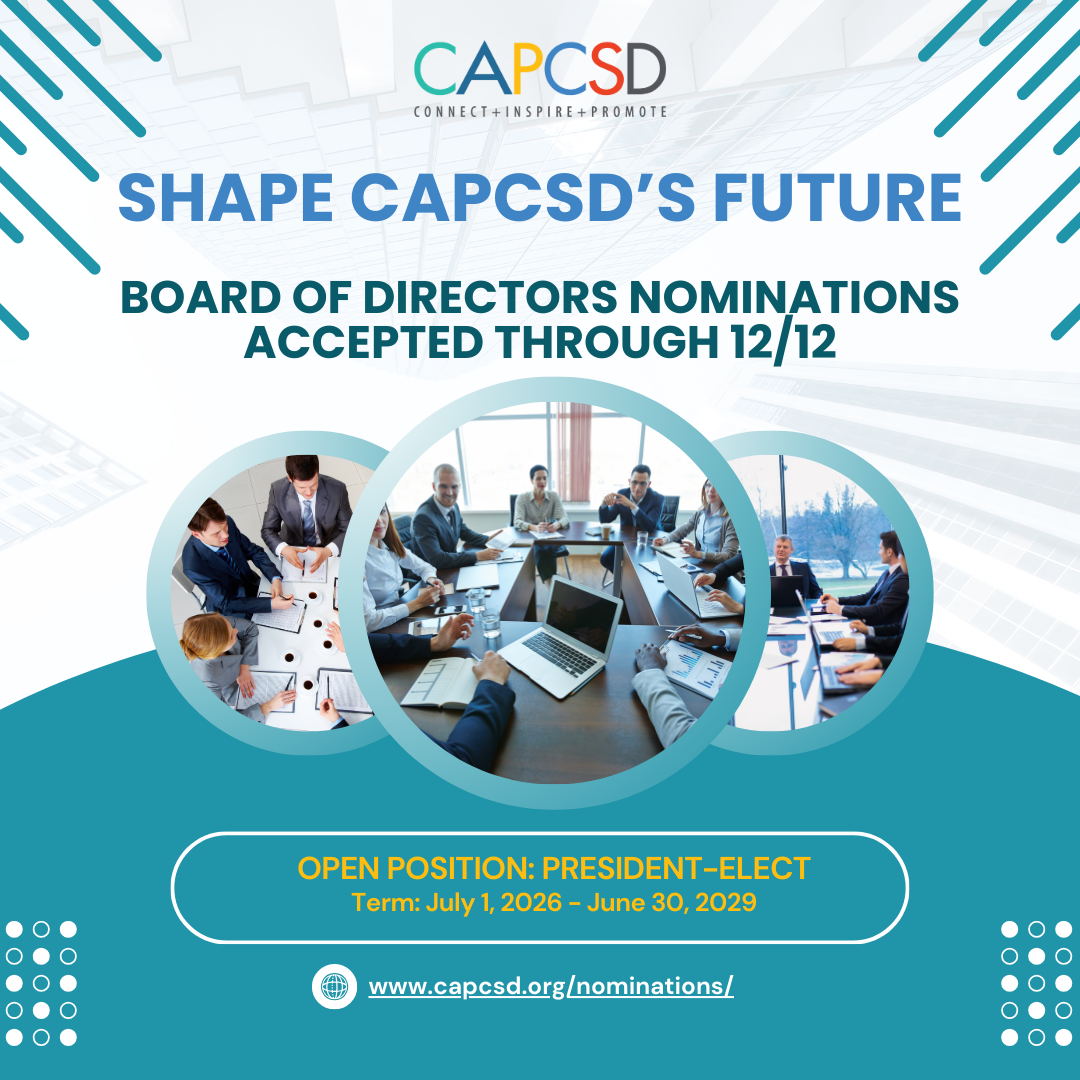
Shape CAPCSD's Future: Board Nominations Deadline Approaching |
|
Nominations close soon! CAPCSD is seeking candidates for President-Elect (three-year term, July 1, 2026 - June 30, 2029). We're looking for individuals passionate about advancing CAPCSD's mission and vision. Nominate yourself or a colleague by Friday, December 12, 2025. For complete details or to submit a nomination, please click here. Questions? Contact Ann Eddins, Nominations Committee Chair, at ann.eddins@ucf.edu. |
|
|
|
|
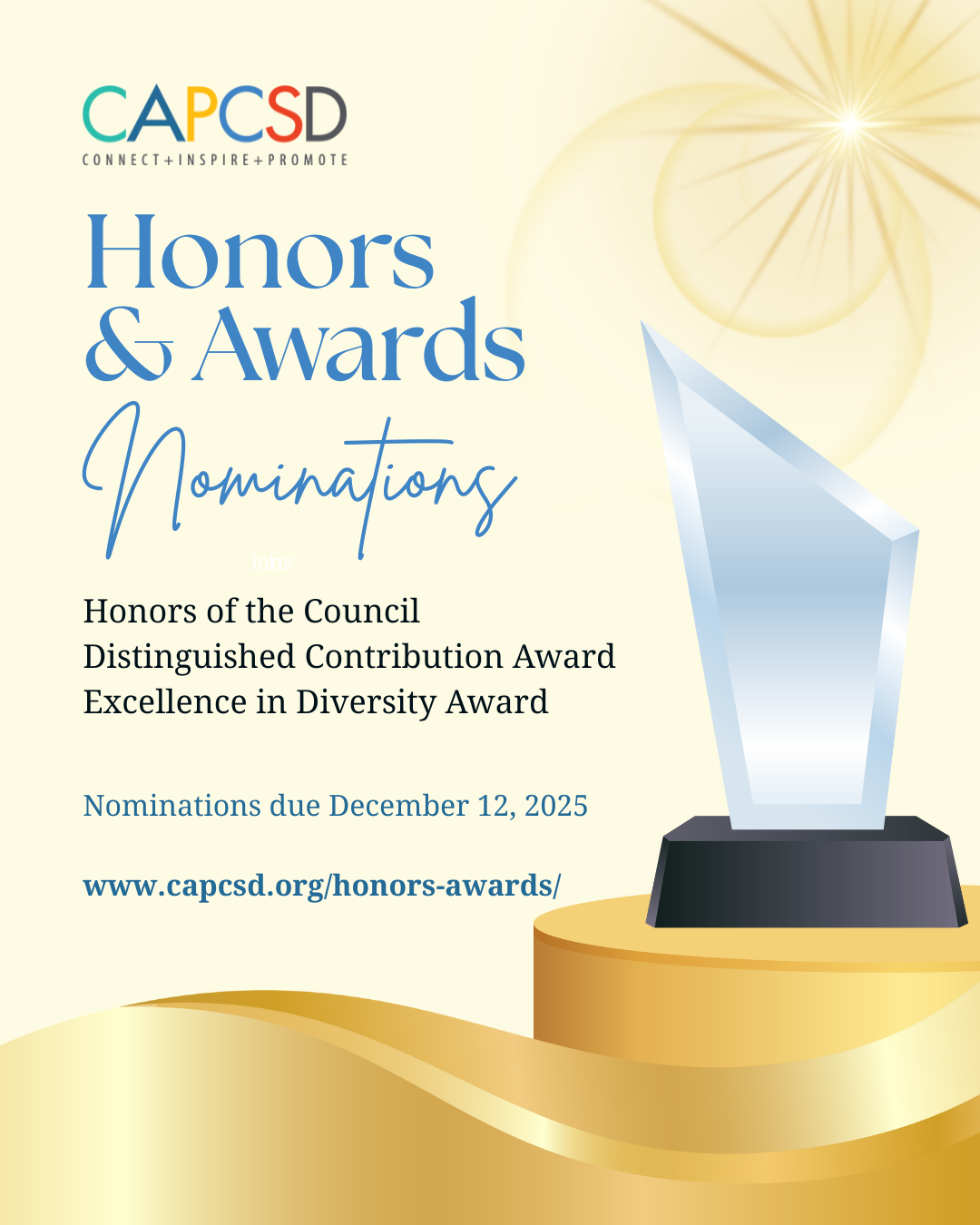
Recognize Excellence: 2026 Honors and Awards Deadline Approaching |
|
Nominations close soon!
Know a colleague or program deserving recognition? Submit nominations for the Honors of the Council, Distinguished Contribution Award, or Excellence in Diversity Award by Friday, December 12, 2025. |
|
|
|
Introducing the CAPCSD AI Resource Hub |
|
The Council of Academic Programs in Communication Sciences and Disorders (CAPCSD) is proud to announce the launch of the AI Resource Hub: Generative AI in Communication Sciences and Disorders—a comprehensive platform designed to support educators, clinicians, and researchers in navigating the evolving landscape of artificial intelligence. |
|

|
This milestone would not have been possible without the dedication and expertise of the CAPCSD AI Task Force. Their commitment to exploring the opportunities and challenges of generative AI has laid the foundation for a resource that empowers our community to integrate AI responsibly and effectively into teaching, clinical practice, and research.
What is the AI Resource Hub? The AI Resource Hub is your go-to destination for:
This initiative reflects CAPCSD’s commitment to innovation while safeguarding the integrity of our profession by providing curated, evidence-informed resources.
Thank You to the CAPCSD AI Task Force
|
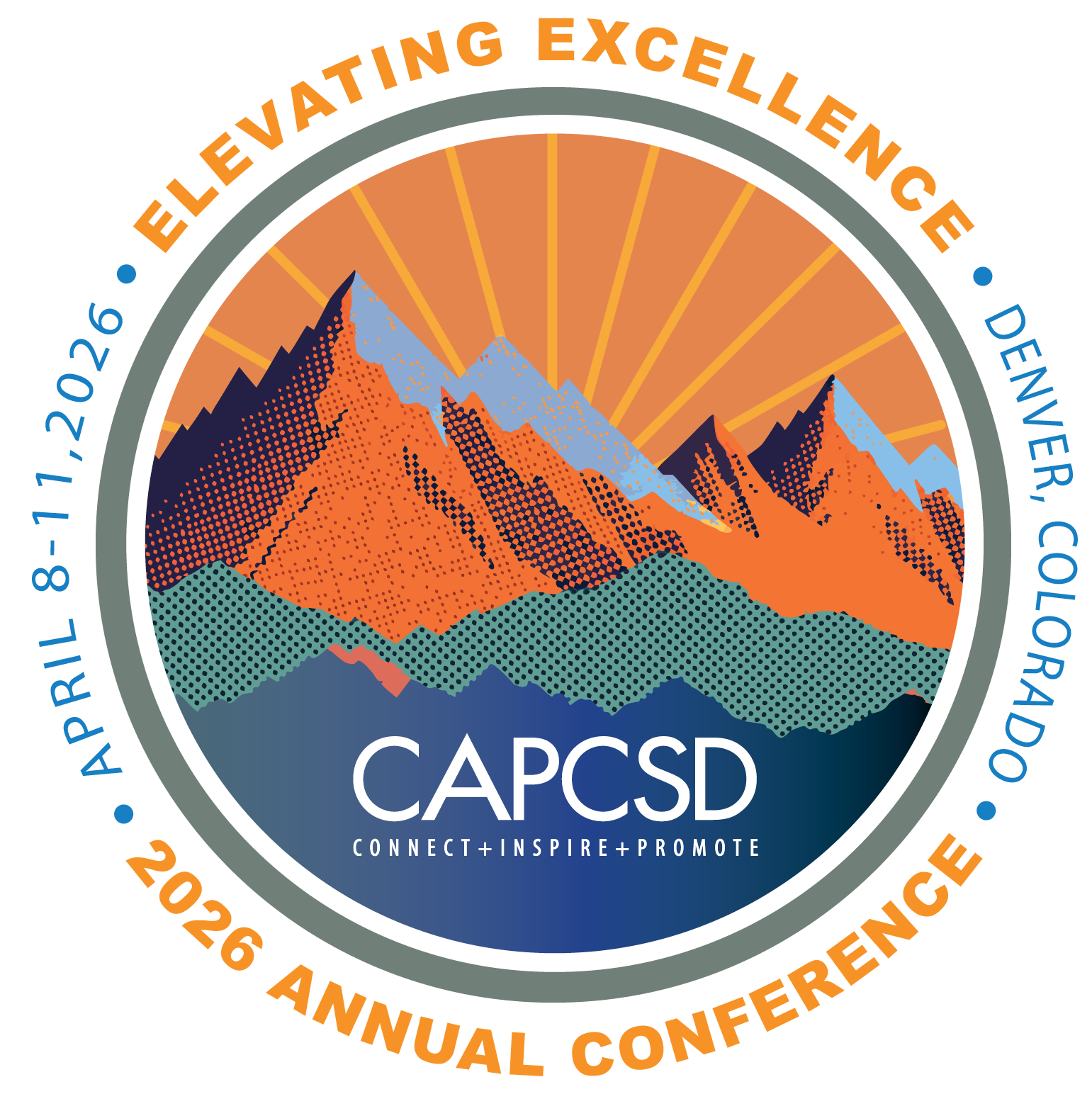
2026 Annual Conference | Elevating Excellence | April 8-11, 2026 |
|
|
Annual Conference Early Bird Registration Monday, January 5 - Saturday, February 28 Members & Affiliate Members: $625 Non-Members: $775
Regular Registration Rates begin Sunday, March 1 Members & Affiliate Members: $775 Non-Members: $925
Pre-Conference Sessions (4/8/26) Each 4-hour option requires a registration & fee. Members & Affiliate Members $100 Non-Members: $150
Hotel Room Block Hyatt Regency Denver at Colorado Convention Center Scheduled to open Monday, January 5 $259 room rate + 15.75% taxes = $299.79 per night King & Two-Queen Bed Rooms are available Make your room reservations as soon as block opens as the block fills up each year! |
|
|
|
Networking at the Annual Conference - Volunteers Needed
Here are groups identified which need volunteer point-persons. Audiologists Clinic Directors Program Directors Department Chairs New Programs CSD Faculty
Here are groups identified which volunteer point-persons are currently being confirmed. Southeastern University Clinic Educators West Coast Clinic Directors Midwest Clinic Directors Northeast Council of Clinical Educators Accreditation Commission for Audiology Education Non-Traditional Programs (Online & Slow Progression Programs, Master's degrees which are longer than traditional 5-6 term model)
If you would like to volunteer as a point-person for a listed or unlisted group during Networking Nights, please reach out to Director of Professional Development, Mandie, as soon as possible. |
|
|
|
Conference Schedule
Wednesday, April 8, 2026 8:00 AM Pre-Conference Session* (4 hrs) 12:30 PM Pre-Conference Sessions* (4 Hrs, 2 choices) 5:30 PM Newcomers' Orientation
Thursday, April 9, 2026 7:00 AM Continental Breakfast w/Exhibitors |
|
Friday, April 10, 2026 7:00 AM Continental Breakfast w/Exhibitors
Saturday, April 11, 2026 7:00 AM Continental Breakfast |
|
*Pre-Conference Sessions each require a separate registration fee from Annual Conference. |
|
|
|
DEIB |
|
Practical Strategies for Recruiting Underrepresented Students into the field of Communication Sciences and Disorders (CSD) |
|
Recruiting students from underrepresented backgrounds into the field of Communication Sciences and Disorders (CSD) remains a critical challenge. According to data from the most recent 2023-2024 CSD Education Survey, students from racial and ethnic minority backgrounds represent less than 34% of undergraduate students and 29% of graduate students enrolled in CSD programs. This decline between the undergraduate and graduate levels highlights a persistent gap in representation and outlines the need for targeted strategies to recruit students from racial, religious and ethnic minority backgrounds including those students with apparent and non-apparent disabilities. |
|
|
To address this issue, CSD programs must adopt intentional and practical approaches to recruit and support students from underrepresented groups. To accomplish this goal, CSD programs must assess and define their target audience, integrate social media into academia, thoughtfully, mindful of generational differences, and consider partnerships with schools that have a diverse population.
Assess and Define Target Audiences
It is essential for CSD programs to reflect on their recruitment goals and identify specific audiences they seek to engage. Programs should consider questions such as: Who are we reaching, and how can we enhance visibility among underrepresented populations? Programs are encouraged to evaluate whether their names, outreach materials, and public messaging communicate inclusivity and align with the broader mission and vision for the field.
Integrate Social Media into Academia
Social media platforms offer valuable opportunities to connect with prospective students and to highlight the academic and service-oriented aspects of the CSD profession. When used strategically and responsibly, these tools can serve as effective recruitment mechanisms.
Such efforts not only enhance program visibility but also provide prospective students with an idea of who is in your program to determine if they can relate to their identities and experiences.
Establish Partnerships with Local School Districts
Developing partnerships with local school districts, particularly those serving diverse student populations, can be a highly effective recruitment strategy. Interactive case study sessions allow high school students to explore CSD professions in an engaging, hands-on manner. Case studies can include topics such as fluency, hearing loss, speech sound disorders, language, dysarthria, and/or aphasia. These topics may resonate with students that have a relative who stutters, a sibling that can’t produce a specific sound, a teacher who is deaf or hard of hearing, or a grandparent that has had a stroke and can’t effectively communicate their wants or needs. These sessions can be both educational and inspiring, offering students a window into the real-world impact of CSD professionals.
Conclusion
Efforts to recruit underrepresented students into the CSD profession must be intentional, strategic, and sustained. By assessing target audiences, integrating social media as an academic tool, and partnering with local school districts, CSD programs can take meaningful steps toward expanding the profession. A more inclusive and representative CSD workforce not only enriches the field but also strengthens its ability for patient care. |
|
Whitney D. Perkins, MS, CCC-SLP, EdD |
|
Board Buddy Q&A |
|
CAPCSD's Board of Directors assigned a "Board Buddy" to each of its new board members to help transition into their three-year terms on the CAPCSD Board of Directors. To help our CAPCSD member programs get to know our new board members, each month the newsletter will feature a board buddy asking the new board member questions. This month, Katie Strong, Past-President posed these questions to Leslie Grubler, the new VP of Organizational Advancement. |
|
|
|
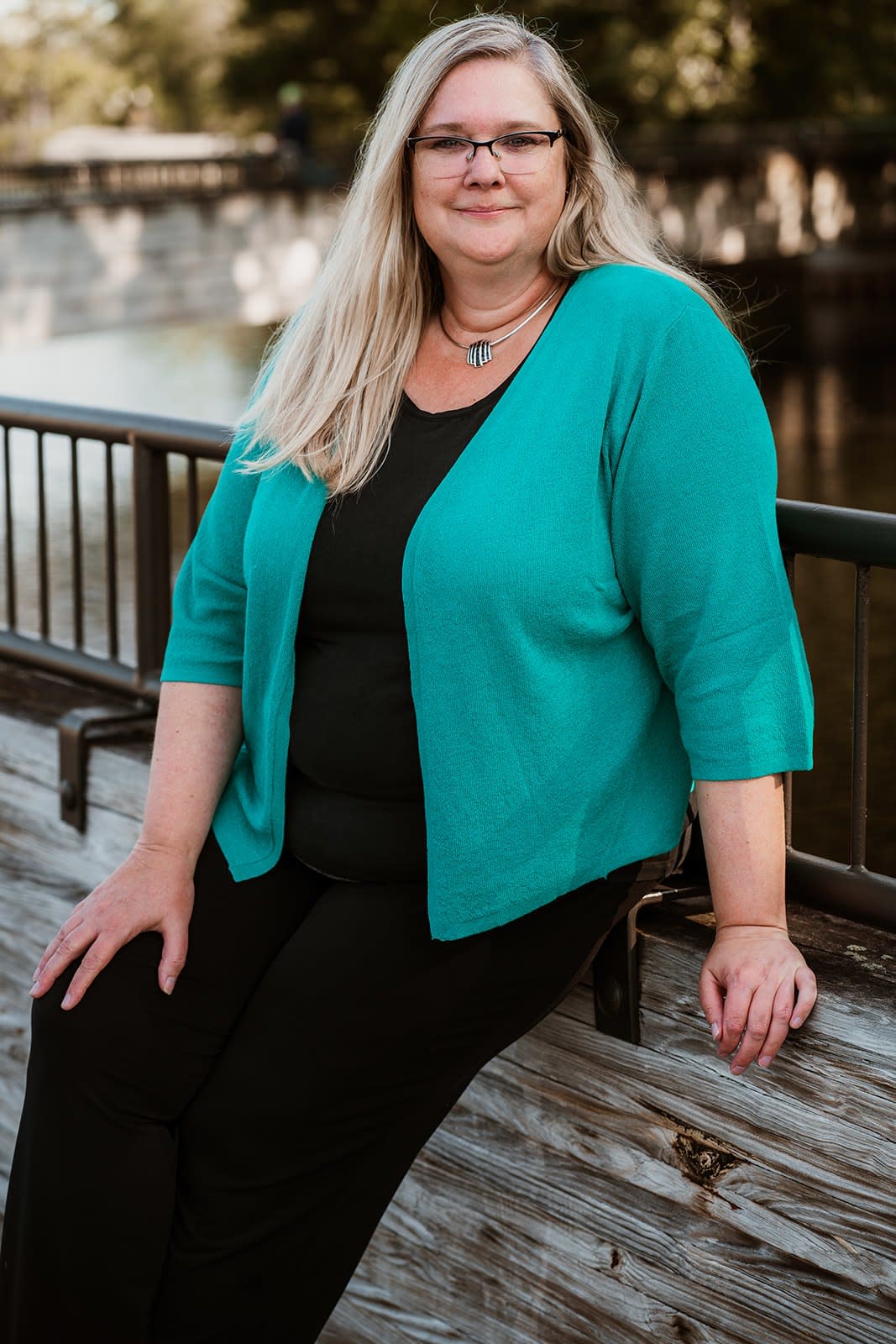
Katie Strong, PhD, is an associate professor and the director of the Strong Story Lab in the Department of Communication Sciences and Disorders at Central Michigan University. This is her seventh year on the CAPCSD Board of Directors. Katie is currently Past-President. |
|
Leslie Grubler, EdD, is Director of Clinical Education & Clinical Services and Adjunct Assistant Professor in the Department of Speech, Language & Hearing Sciences at Lehman College. Leslie joined the CAPCSD Board of Directors as VP of Organizational Advancement on July 1, 2025. |
|
Katie: What inspired you to join the Board? Leslie: Through nearly 50 years, CAPCSD has consistently endeavored to create a community where leadership development, collaboration, innovation are not only supported but nurtured, guiding programs through changes in healthcare, technology, emerging service and research models, evidence-based practice, and holistic, compassionate, and justice-centered approaches. I was inspired to join the CAPCSD Board because I believe in their core values, the transformative potential of academic programs in Communication Sciences and Disorders—and in the shared responsibility we have to move our discipline forward with vision, courage, and care – in the best interest of our graduate student clinicians and those they serve.
Katie: What’s one CAPCSD initiative or area you’re particularly passionate about? Leslie: For me, the CAPCSD DEIB Statement is not simply an organizational priority; it is a personal and professional calling—rooted in compassion, acceptance, and the profound love that resides at the core of our shared humanity. It speaks directly to the heart of why I entered leadership in CSD—to help build programs where belonging is palpable, where equity is prioritized, where belonging is weaved within our classrooms and our treatment rooms, and where the next generation of clinicians and scholars reflects the communities we serve. Katie: What unique perspective do you bring to the Board? Leslie: My perspective is shaped by years of leading academic clinical education, mentoring emerging professionals, and intentionally designing inclusive, justice-centered learning environments in one of the most diverse communities in the country. My work sits at the intersection of academic leadership, clinical training, and years of local, state, and national advocacy. This vantage point allows me to see not only the systemic challenges our programs are currently facing, but how essential it is for our collective decisions to acutely reflect the lived realities of our students, faculty, and communities. This approach nurtures the conditions for students to thrive through belonging, for programs to grow and adapt, and for our profession to fulfill its promise of justice. To reach Katie or Leslie please email them at |
|
The Admissions Corner is designed to help programs with the admissions process for graduate education programs in audiology and speech-language pathology. We want to provide information related to WebAdMIT (the program-facing program), CSDCAS (the applicant-facing program), application management, and multiple other issues related to admissions. We are focusing the next few Admissions Corner articles on preparing for different stages of the application process.
Last month we talked about early preparation for the review process. Strategies include identifying your program’s past areas of concern, communicating with other university units for admissions support, organizing your admissions committee, and asking for advice.
This month’s focus is on application management and supporting students.
Given the nationwide decline in undergraduate majors in Communication Sciences and Disorders, it is essential that all programs develop strategies to attract, engage, and hold on to applicants.
An important concept in business is “churn,” which can be understood simply as customer turnover over time. Some customers leave a business because they no longer need its products, had a negative experience, or found a business with a better product. We can look at admissions the same way. Our “customers” are applicants to our graduate education programs. There are multiple things that we as programs can do to improve applicants’ experience. Here are just a few ideas:
(1) Use the tools that are already built into WebAdMIT. You can email every applicant from WebAdMIT with acknowledgements, program updates, and—of course—acceptance information. In this early stage, you can use this system to acknowledge an applicant’s interest. You can provide “tips and tricks” before an applicant submits the application. You can communicate regularly with an applicant before and during every step of your program’s application process. Applicants appreciate the help. They are already stressed enough, especially those who are behind the curve in applying.
(2) Be objective and evaluate your application process. You can’t do anything about it this year, but this will help you plan for next year’s cycle. Are there aspects of your application process that are confusing to applicants? Get feedback about any confusion and fix it. If you have a supplemental application (for example, through your Graduate School), make it as easy as possible. The value of CSDCAS is that applicants only request one official transcript from each university attended, one set of GRE scores (if needed), and one set of letters of recommendation. Don’t require it for your supplemental application. Don’t make applicants spend extra money.
(3) Support your own undergraduate CSD students in the application process. Your largest application pool is likely the students in your own undergraduate program. If you follow the trends, you know that your undergraduate students are applying to your MA/MS and AuD programs, even if they hope to be admitted somewhere else. There are many reasons for this. Are you meeting with them individually or in groups to help them apply? It is worth your time to do so, particularly if you are in a high-program-density area where you are competing with local/regional programs for the same applicants. A little bit of support might convince students on the fence to choose you over another program.
If you need help with the admissions processes for your MA/MS and/or AuD graduate education programs, or you need help with WebAdMIT or CSDCAS, please do not hesitate to reach out to the Admissions Committee and CAPCSD’s Director of Centralized Admissions.
On behalf of the entire Admissions Committee, we wish you a wonderful holiday season. |
|
Admissions Committee Contacts https://members.capcsd.org/admissionscommittee
Teasha McKinley, Director of Centralized Admissions |
|

|
|
|

|
|
From Inquiry to Matriculation: The Enrollment Management Experience
|
|
|
**Registration is full - recording will be posted to the CAPCSD/Webinar website.ETS Praxis Exam Preparation Webinar
|
|
|
|
|


|
https://www.capcsd.org December 2025 |