|

|
|
|
Dear {{CFirstName}},
As we move into March, campuses are buzzing with that familiar spring semester energy, wrapping up ongoing projects, looking ahead to what comes next, and hopefully eyeing a bit of downtime. With spring break around the corner for many, I hope you are able to take a moment to breathe, reset, and enjoy a well-earned pause. Many of you are also juggling the tail end of admissions alongside everything else this season brings, and I continue to be grateful for the thoughtful work you pour into supporting students and shaping your programs’ next steps. In the midst of a busy March and with signs of spring slowly starting to appear, CAPCSD Conference registration remains open. Thank you to all who have already registered. Your early participation helps us prepare more intentionally and build the kind of welcoming experience we are excited to share in Denver this April. If you have not registered yet, there is still plenty of time to join us, and we would love to have you there. Be sure to explore the Pre Conference sessions as well; they are always a highlight and a wonderful opportunity to dive deeper into topics that matter most to our community. I hope this month’s features offer value and inspiration as you move through the weeks ahead.
Warmly, |
|
|
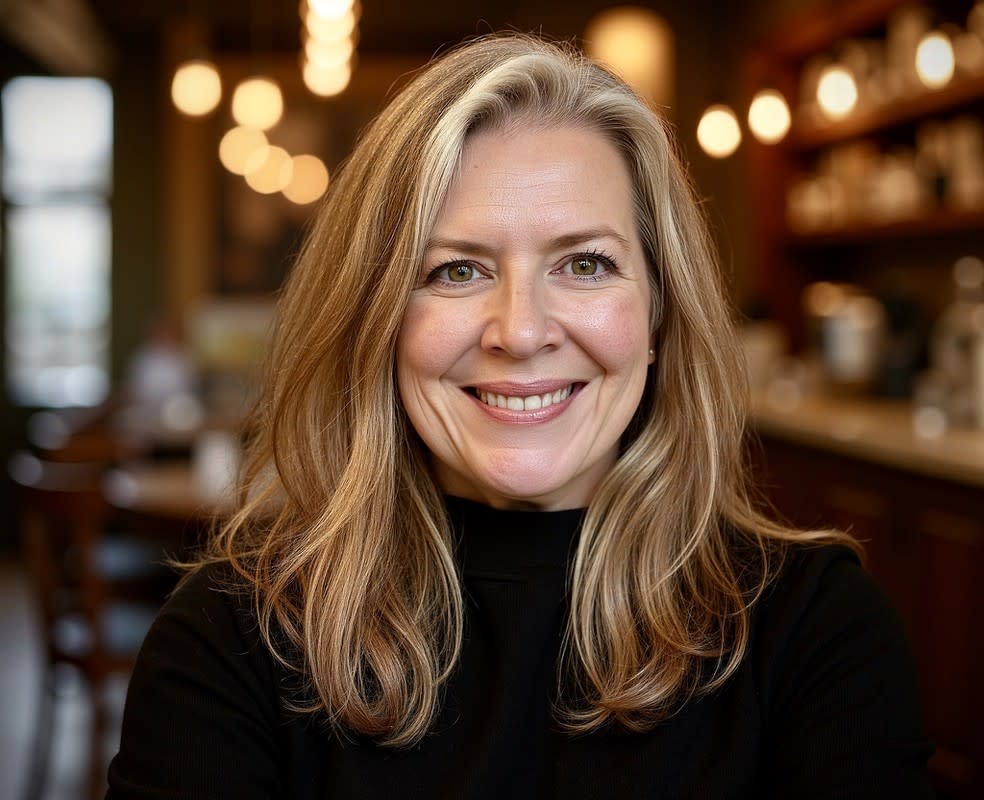
Tricia Montgomery President |
|
|
|
|
Important Dates |
|
Below are the upcoming important dates so that you may plan accordingly. Dates are subject to change. CAPCSD will send separate email for each of the below dates with official information. |
|

|
|
|
|
|
CAPCSD Annual Business Meeting |
|
Attend CAPCSD's upcoming 2026 Annual Business Meeting to hear from the Board of Directors on the accomplishments, work in progress, and what's coming down the pike. It's a great way to learn about CAPCSD activities.
Saturday, April 11, 2026 7:50 AM MT - 10:00 AM MT General Session includes Annual Business Meeting Hyatt Regency Denver at Colorado Convention Center Meeting Room: Centennial A-D |
|
|
|
CAPCSD Board of Directors 2026-2027 Slate |
You can find more information on Ashley Harkrider here. |
|

|
|
|
Call for Resolutions |
|
The Board of Directors gathers input on issues of importance to the membership of CAPCSD throughout the year. If you, individually or in concert with colleagues, have ideas or issues that you believe the Board of Directors should address, please formulate, and submit a resolution for consideration. Resolutions may be submitted by any member program or individual of a member program. Submitted resolutions will be discussed at the next regularly scheduled board meeting unless a quorum is not met.
Title: Brief descriptive title for the resolutionBackground: A sequence of logically ordered “Whereas” statements.Resolved: Detailed description of proposed position, action, investigation, initiative, etc. that the resolution sponsors would like the Board of Directors to pursue.Sponsored by: Name(s) and program affiliations of the resolution sponsor(s).
Submission Process Submit a resolution any time during the year by email or USPS to: Ned Campbell, Executive Director CAPCSD, P.O. Box 929, Indian Hills, CO 80454-0929 |
|
|
|
Annual Conference | Elevating Excellence | April 8-11, 2026 |
|
Annual Conference Early Bird Registration March 1 - April 11 Members & Affiliate Members: $775 Non-Members: $925
Pre-Conference Sessions (4/8/26) Each 4-hour option requires a registration & fee. Members & Affiliate Members $100 Non-Members: $150
Hotel Room Block Hyatt Regency Denver at Colorado Convention Center $259 room rate + 15.75% taxes = $299.79 per night King & Two-Queen Bed Rooms are available Make your room reservations as soon as block opens as the block fills up each year! |
|
Announcing CAPCSD's 2026 Virtual Conference |
|

|
From the 2026 Annual Conference in Denver, CO, CAPCSD is presenting the 2026 Virtual Conference on April 9-10, 2026. This virtual conference will feature 10 hours of online sessions by invited speakers and selected presenters on the conference theme, Elevating Excellence.
Thursday, April 9, 2026 10:15 AM MT - Helping Students Master Professional Practice Behaviors: Elevating Student Success through Clinical Education [Kelly Harrington, Lisa McDonald] 11:30 AM MT - Threading the Access Needle: Supporting Disability Inclusion in Communication Sciences and Disorders [Madhu Sundarrajan] 12:45 PM MT - Beyond the Basics: Elevating Excellence in Asynchronous Online Graduate Education [Klaire Brumbaugh, Lauren Wright Jones] 2:15 PM MT - Innovate, Educate, Publish: A Guide to SoTL and Simulation [Amanda Stead] 3:30 PM MT - Problem-Based Learning Across Disciplines: Discomfort as a Catalyst for Interprofessional Growth [Mikaely Schmitz] Friday, April 10, 2026
10:15 AM MT - Preparing CSD Students for Trauma-Informed, Interprofessional Collaboration [Emily Weston] 11:30 AM MT - Creating Equitable Faculty Workloads [Caitlin Al-Mutawa, Charlotte King] 12:45 PM MT - CATALYST: Embedding Critical Thinking Instruction Across Undergraduate and Graduate CSD Coursework [David Rehfeld] 2:15 PM MT - Financial Literacy for Students [Victor Bray, Robert Serianni] 3:30 PM MT - To AI or Not to AI, That is the Question. AI Ethics in CSD [AnnMarie Knight, Becky Jones] $225 CAPCSD Member $225 CAPCSD Affiliate Member $275 CAPCSD Non Member |
|
|
|
DEIB |
|
Navigating Funding Mechanisms to Support Research: A Practical Roadmap for Speech Language Hearing Professionals |
|
When Maya, a second-year master’s student in speech-language pathology, developed an idea for her thesis on bilingual language development, her first reaction was excitement. Her second was hesitation. She wondered how she would pay for participant incentives, transcription support, and conference travel. Across campus, an early-career faculty member was refining a pilot study on technology-supported aphasia treatment and asking similar questions about how to secure preliminary funding. In a local school district, a practicing SLP wanted to evaluate a literacy intervention but was unsure whether clinicians could pursue research grants at all. |
|
|
These scenarios are common. Funding can feel intimidating and distant, as though it belongs only to senior investigators with long publication records. In reality, funding is a professional skill that develops over time. The individuals who consistently apply are the ones who eventually succeed. Starting early builds confidence, experience, and momentum that shape an entire career. Seeking funding does more than providing financial support. It strengthens a curriculum vitae, demonstrates initiative, and signals leadership. Receiving an award, even a small one, offers meaningful professional validation. It provides the resources to complete projects that otherwise might just remain ideas. For students and clinicians, it can be the turning point between thinking about research and actually conducting it. The funding landscape becomes much less overwhelming when viewed as a pathway rather than a checklist. Starting Close to Home: CAPCSD, ASHA, and Professional Organizations. One natural starting point is within our own professional community. CAPCSD offers awards that recognize excellence in teaching, leadership, innovation, and student scholarship. These honors elevate both individuals and academic programs, and they signal national engagement in the preparation of future professionals. For students and faculty alike, a CAPCSD award on a CV communicates commitment to advancing communication sciences and disorders. ASHA provides additional opportunities, including student research travel awards, new investigator grants, clinical research grants, and leadership scholarships. Many of these are available to applicants affiliated with U.S. institutions, although specific eligibility criteria vary. State speech-language-hearing associations also offer research grants and scholarships. These smaller awards are often less competitive and serve as excellent entry points for first-time applicants. For a graduate student or clinician, securing a state-level award can be both affirming and strategically valuable. Growing Your Idea: University and Institutional Grants. Universities themselves are often the most accessible funding source. Internal seed grants, graduate research awards, dissertation fellowships, and diversity initiatives provide critical pilot support. These funds are frequently available to anyone enrolled or employed at the institution, including international students and faculty on work visas. Although the dollar amounts may be modest, internal awards generate preliminary data and demonstrate feasibility. They show external funders that an institution has already invested in the project. Stepping into Federal Funding. As projects mature, many researchers look to federal agencies. The National Institutes of Health is central for speech-language pathology research. Institutes such as NIDCD, NINDS, NICHD, NIA, and NIMH support work related to communication disorders across the lifespan. NIH offers research project grants, exploratory awards, career development awards, and fellowships. Some mechanisms, such as certain fellowships and career awards, require U.S. citizenship or permanent residency. However, many research project grants allow non-U.S. citizens to serve as principal investigators if they are employed at a U.S. institution. It is essential to review each announcement carefully rather than assuming ineligibility. The U.S. Department of Education, particularly through the Institute of Education Sciences and the Office of Special Education Programs, funds research and personnel preparation relevant to school-based SLPs. These awards are typically made to institutions, and eligibility is usually tied to employment rather than citizenship. The National Science Foundation supports foundational research in linguistics, cognitive science, neuroscience, and disability studies. Standard research grants are generally open to investigators employed at U.S. institutions, while certain graduate fellowships require citizenship or permanent residency. The Department of Defense funds research through programs focused on traumatic brain injury, autism, and rehabilitation. Again, eligibility varies by program, and institutional affiliation is often the key requirement. Private Foundations: Flexible and Impactful. Beyond federal agencies, private foundations provide important opportunities. Organizations such as the Alzheimer’s Association, Autism Speaks, the Parkinson’s Foundation, the American Heart Association, the Robert Wood Johnson Foundation, and Patient Centered Outcome Research Institute support clinically relevant and translational research. Many private foundations permit applications from non-citizens working at U.S. institutions, though some career development programs have specific restrictions. These funders often prioritize real-world impact, making them particularly appealing for clinician-researchers. Looking Beyond: International and Global Opportunities. International opportunities also exist. Programs such as Fulbright support global collaboration and require U.S. citizenship. Other international foundations and global health partnerships may be open to U.S.-based investigators regardless of citizenship status, depending on the specific call. For international scholars working in the United States, collaboration across institutions and countries can expand eligibility. How to Approach Writing Grants and Scholarships. Approaching grant writing strategically makes a difference. Begin by studying the mission of the funding organization and clearly connecting your project to its priorities. Write with clarity so that reviewers outside your specialty can understand the importance of the work. Frame your proposal as a story that explains the problem, why it matters, and how your project offers a feasible solution. Provide realistic timelines and demonstrate access to participants or mentorship support. Seek feedback early from advisors or grant offices and follow all submission guidelines carefully. Attention to detail signals professionalism. A Final Encouragement: Start Early, Start Small, Start Now. For students, the most important message is that starting young works. Apply for university scholarships and departmental awards. Seek travel funding to present your work. These early experiences build grant writing skills and confidence. After securing internal recognition, expand outward to state associations and disorder-specific private organizations aligned with your interests. Each application refines your thinking and strengthens your professional profile. Even unfunded applications demonstrate initiative and engagement. Funding is not reserved for a small group of established investigators. It is pursued by those who are willing to learn the process and persist. Securing funding strengthens your CV, boosts morale, and provides financial means to move ideas forward. It builds a trajectory that compounds over time. In communication sciences and disorders, projects that improve lives often begin with a single application. Start early. Start small. Keep applying. The professionals who seek funding are the ones who ultimately receive it, and in doing so, they shape the future of our field. |
|
Assistant Professor | CDS , Southern Illinois University-Carbondale Director, Aphasia Recovery with Technology Lab DEIB Committee Member |
|
|
|
Admissions Corner |
|
Strengthening Graduate Admissions Through Committee Training
As graduate speech-language pathology programs continue to move toward more holistic admissions practices, the process of reviewing applications has become increasingly complex. Today’s admissions decisions are rarely based on GPA alone. Instead, committees are asked to consider academic trends, personal statements, professional experiences, leadership, research, and community engagement. While this broader approach benefits applicants and programs alike, it also places greater responsibility on admissions reviewers.
Even when clear rubrics and guidelines are in place, committee members may interpret application materials differently. Reviewers bring their own academic backgrounds, professional experiences, and expectations into the evaluation process. As a result, two reviewers may assess the same application in very different ways. Without intentional preparation, this variability can lead to inconsistent scoring and prolonged decision-making.
Training admissions committees helps create a shared understanding of program priorities and expectations. When reviewers have opportunities to discuss rubric criteria, review sample applications, and clarify scoring standards, they are better equipped to apply evaluation tools consistently. These calibration activities promote fairness and reduce unintended discrepancies across reviewers.
In addition, training benefits committee members themselves. Clear expectations and shared procedures can reduce uncertainty and streamline the review process. The CSDCAS platform can support these efforts by allowing programs to integrate structured rubrics and track scoring patterns across reviewers (WebAdMIT-Scoring Applicants). When combined with intentional committee training, these tools enhance transparency and strengthen the integrity of the admissions process.
Ultimately, investing time in admissions committee training is an investment in program quality. By ensuring that reviewers share common standards and goals, programs are better positioned to identify applicants who are academically prepared, professionally motivated, and well-aligned with the mission of the field.
If you need help with the admissions processes for your MA/MS and/or AuD graduate education programs, or you need help with WebAdMIT or CSDCAS, please do not hesitate to reach out to the Admissions Committee and CAPCSD’s Director of Centralized Admissions. |
|
Admissions Committee Contacts https://members.capcsd.org/admissionscommittee
Teasha McKinley, Director of Centralized Admissions |
|
|
|
|
Clinical Education Resource Repository: |
|
Mid-terms are already upon us! Are you ready to elevate your clinical externships with ready-to-use tools and proven best practices for your community preceptors? The CAPCSD Clinical Education Resource Repository is a one-stop destination.
This evolving collection offers evidence-based materials, multi-media resources, and innovative strategies to help clinical educators, preceptors, and academic programs enhance the learning experience. Whether designing student assessments, supporting professional development, or seeking creative approaches to supervision, you’ll find practical, ready-to-use resources tailored to your needs here: The CAPCSD Clinical Education Resource Repository
Please share the link freely with your learning communities! |
|

|
Andy Clare, DHSc, CCC-SLP, CBIS Vice President for Clinical Education |
|
|
|
Important: Update Your CAPCSD Member Information Today |
|
To best serve your membership needs, CAPCSD asks each member to update their contact and demographic information. This is especially important if you attend any education sessions from CAPCSD and want your CEUs reported to ASHA. Updating your information enables CAPCSD to report your CEUs when you attend the annual conference or take a webinar. It also helps CAPCSD better understand the composition of the membership and tailor its services accordingly. Furthermore, it aids us in planning future education programs and delivering targeted content that supports your work.
Click here for detailed instructions on what information you should update today. update your member information. |
|
|
|

|
|
|
Hard Is Not The Same Thing As Bad: Enhancing Student Resilience in CSD Programs
Discover how to transform "hard things" into manageable challenges by implementing "small teaching" strategies that explicitly build student resilience in CSD programs. This session moves beyond theory to provide practical pedagogical tools and resources that foster a sense of belonging and confidence, preventing student burnout before it starts. You will leave with a concrete action plan to integrate at least one resiliency-building approach into your very next course.
🗓️ Monday, March 9, 2026 0.10 ASHA CEUs |
|
|
|
Integrating GenAI with Integrity: Ethical & Practical Considerations in CSD Ashley Dockens, PhD, AuD, CCC-A Heather Reading, AuD, CCC-A
Participants should attend this session if they are seeking a balanced, informed look at GenAI that goes beyond hype. This session offers concrete examples, ethical considerations, and actionable strategies to help professionals in audiology and speech-language pathology integrate AI safely, confidently, and in alignment with professional expectations.
🗓️ Wednesday, March 25, 2026 0.10 ASHA CEUs |
|
If you can't attend the live webinar, register now and receive a recording of the webinar to view at your convenience. Please note, only registrants who attend the live webinar are eligible for ASHA CEUs. |
|
|
|


|
https://www.capcsd.org March 2026 |